
Call us now :08037736595
 Send Inquiry
 Send Inquiry
Lock Nuts
Lock Nuts Specification
- Head Type
- Hexagonal
- Diameter
- Available in various diameters (commonly M3-M24)
- Standard
- DIN 439, ISO 4035, or as specified by manufacturer
- Head Size
- Depends on thread diameter, e.g., M8, M10, etc.
- Material
- Steel, Stainless Steel, Brass
- Function
- Secures assemblies by resisting loosening from vibration
- Weight
- Varies by size; typically lightweight for standard applications
- Surface
- Nickel-plated or zinc-coated for corrosion resistance
- Feature
- Provides a locking mechanism to prevent loosening under vibration and torque
- Temperature Resistance
- Up to 300C depending on material
- Finish Type
- Polished or matte finish
- Hardness
- Typically 6-8 grade for steel versions
- Application Use
- Used in mechanical, automotive, and construction assemblies
- Torque Capacity
- Depends on diameter and material, typically 10-120 Nm
- Installation Method
- Requires suitable wrench or socket tool
- Thread Type
- Metric or Imperial, depending on application requirement
- Corrosion Resistance
- High (especially in stainless steel versions)
- Reusability
- Can be reused if not deformed
About Lock Nuts
Discover eminently engineered Lock Nuts, crafted for enviable reliability in mechanical, automotive, and construction assemblies. Our collection, available at unbeatable prices, caters to both metric and imperial thread needs, ensuring adaptability for every application. Choose between lustrous polished or understated matte finishes, with corrosion resistance heightened by nickel or zinc coatings. The high-grade steel and stainless steel versions offer impressive torque capacity and reusability, delivering cost-effective savings without compromising performance. Exclusively manufactured to DIN 439 and ISO 4035 standards, these lock nuts are the preferred choice for secure fastening in demanding environments.
Versatile Applications & Advantages of Lock Nuts
Lock Nuts play a specific and general role in securing assemblies across diverse industries, such as mechanical, automotive, and construction. Used as critical fastening elements, they prevent loosening caused by vibration and torque. The main advantage lies in their locking mechanism, which ensures long-lasting stability, safety, and reliability for structures and machinery. Available in a range of thread types, finishes, and sizes, lock nuts deliver practicality and flexibility for both specialized and everyday fastening requirements.
Certifications, Packing, & Dispatch Details for Lock Nuts
Lock nuts are meticulously manufactured and certified according to national and international standards like DIN 439 and ISO 4035. Packaging is tailored to safeguard quality-nuts are bubble-wrapped or boxed in sturdy packs, labeled with complete product information. Packing & dispatch processes are efficient, ensuring prompt handover to logistics providers. Typical delivery times depend on order volume and location within India, but customers can anticipate swift and safe arrival of their lock nuts, ready for application.
Versatile Applications & Advantages of Lock Nuts
Lock Nuts play a specific and general role in securing assemblies across diverse industries, such as mechanical, automotive, and construction. Used as critical fastening elements, they prevent loosening caused by vibration and torque. The main advantage lies in their locking mechanism, which ensures long-lasting stability, safety, and reliability for structures and machinery. Available in a range of thread types, finishes, and sizes, lock nuts deliver practicality and flexibility for both specialized and everyday fastening requirements.
Certifications, Packing, & Dispatch Details for Lock Nuts
Lock nuts are meticulously manufactured and certified according to national and international standards like DIN 439 and ISO 4035. Packaging is tailored to safeguard quality-nuts are bubble-wrapped or boxed in sturdy packs, labeled with complete product information. Packing & dispatch processes are efficient, ensuring prompt handover to logistics providers. Typical delivery times depend on order volume and location within India, but customers can anticipate swift and safe arrival of their lock nuts, ready for application.
FAQ's of Lock Nuts:
Q: How do lock nuts prevent loosening under vibration?
A: Lock nuts utilize a specialized locking mechanism that creates additional friction or deformation, making it difficult for the nut to loosen under vibration or torque, ensuring assemblies remain secure.Q: What thread types and diameters are available for lock nuts?
A: Lock nuts are offered in both metric and imperial thread types, with diameters commonly ranging from M3 to M24, allowing flexibility to suit various application requirements.Q: Where are lock nuts typically used?
A: Lock nuts are widely used in mechanical, automotive, and construction assemblies where preventing joint loosening due to vibration is essential for safety and reliability.Q: What is the process for installing a lock nut?
A: Lock nuts can be installed using a suitable wrench or socket tool. It is important to apply the correct torque-usually between 10-120 Nm depending on the diameter and material-for optimal performance.Q: Can lock nuts be reused, and under what conditions?
A: Lock nuts can be reused if they have not been deformed during previous use. Inspecting the nut for any signs of damage before reinstallation is always advisable.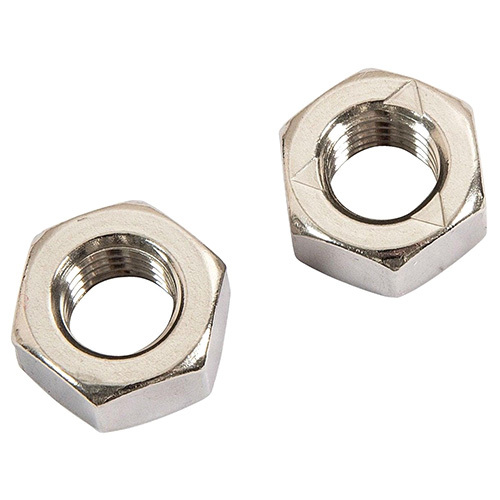
Tell us about your requirement

Price:
Quantity
Select Unit
- 50
- 100
- 200
- 250
- 500
- 1000+
Additional detail
Mobile number
Email

More Products in Industrial Nuts Category
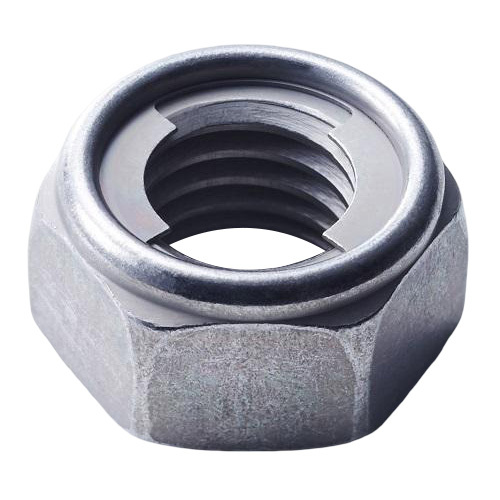
Nylock Nuts
Function : Prevents loosening due to vibration and torque
Surface : Other, Plain or zinc plated, can be galvanized
Head Type : Hexagonal
Weight : Varies by size, typically lightweight
Feature : Selflocking, vibration resistant, reusable
Standard : DIN 985, ISO 10511, ASTM
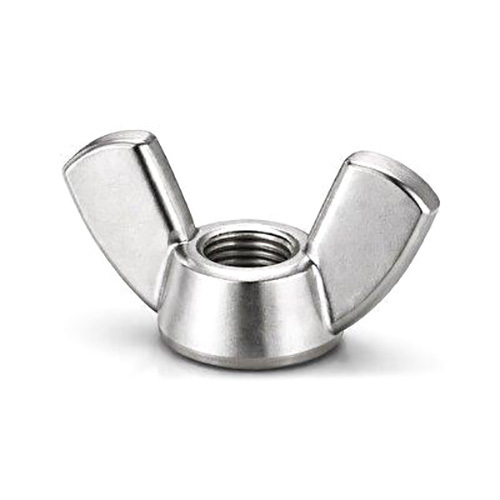
Wing Nuts
Function : Secure fastening for parts and assemblies, can be tightened or loosened by hand
Surface : Other, Polished, smooth finish
Head Type : Wing
Weight : Lightweight, varies by size (eg. typically 2g25g)
Feature : Easy hand tightening without tools, corrosion resistant
Standard : DIN 315 / ISO 3032
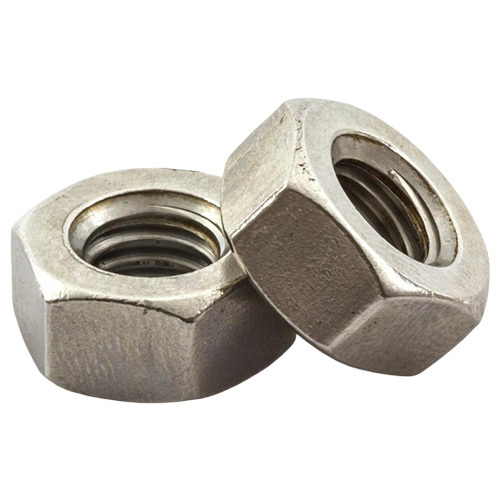
Hex Nuts
Function : Used to fasten bolts and screws securely
Surface : Other, Polished, Zinc plated, Plain finish
Head Type : Hexagonal
Weight : Varies by size, typically from 1g to 50g each
Feature : High strength, Corrosion resistant, Precision threading
Standard : DIN 934, ISO 4032, ASTM A194

 Send Inquiry
Our Products

Plot 65a C-03, Ground Floor, Dockyard Road, Mumbai - 400010, Maharashtra, India

Mr. Yonus Mandviwala
(Proprietor)
Mobile :08037736595
 Send Inquiry
 Send SMS
Developed and Managed by Infocom Network Private Limited.
